July 23, 2026
Roof repair may look simple, but it involves layered systems, material compatibility, and safety risks that are often underestimated. While homeowners may attempt minor fixes, roofing systems require technical knowledge to ensure repairs address the full structure, not just visible damage. Relying on roofing contractors helps reduce the risk of repeated issues caused by incomplete or incorrect work, especially since roofs are constantly exposed to weather stress that can quickly worsen small mistakes. Proper repair depends on understanding how all components work together, which is why professional involvement typically leads to more reliable long-term results.
Understanding Roofing Systems and Repairing
Roof structures are layered systems designed to manage water, airflow, and structural load simultaneously. Each layer, from underlayment to outer shingles, plays a role in maintaining stability and preventing leaks. Contractors are trained to interpret how these layers interact under different weather conditions, which helps prevent misdiagnosis of issues. Without this systems-level understanding, repairs often address symptoms rather than root causes.
A roof also includes components like flashing, ventilation pathways, and support framing that must remain in balance. When one element fails, it can influence the performance of others in ways that are not immediately visible. Roofing contractors evaluate these relationships before making any repair decisions, ensuring the fix integrates with the entire structure. This reduces the risk of recurring damage and extends the lifespan of the roof.
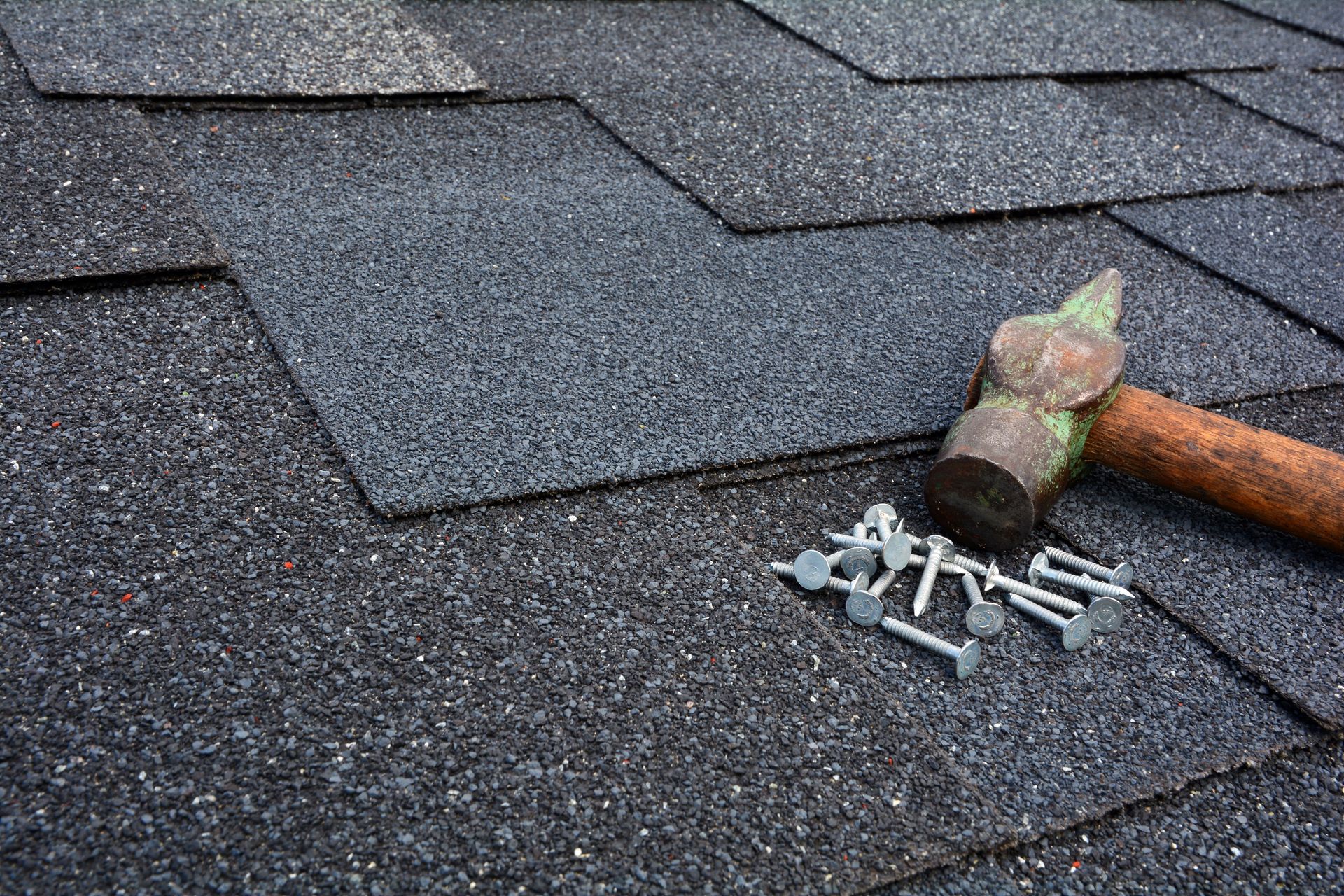
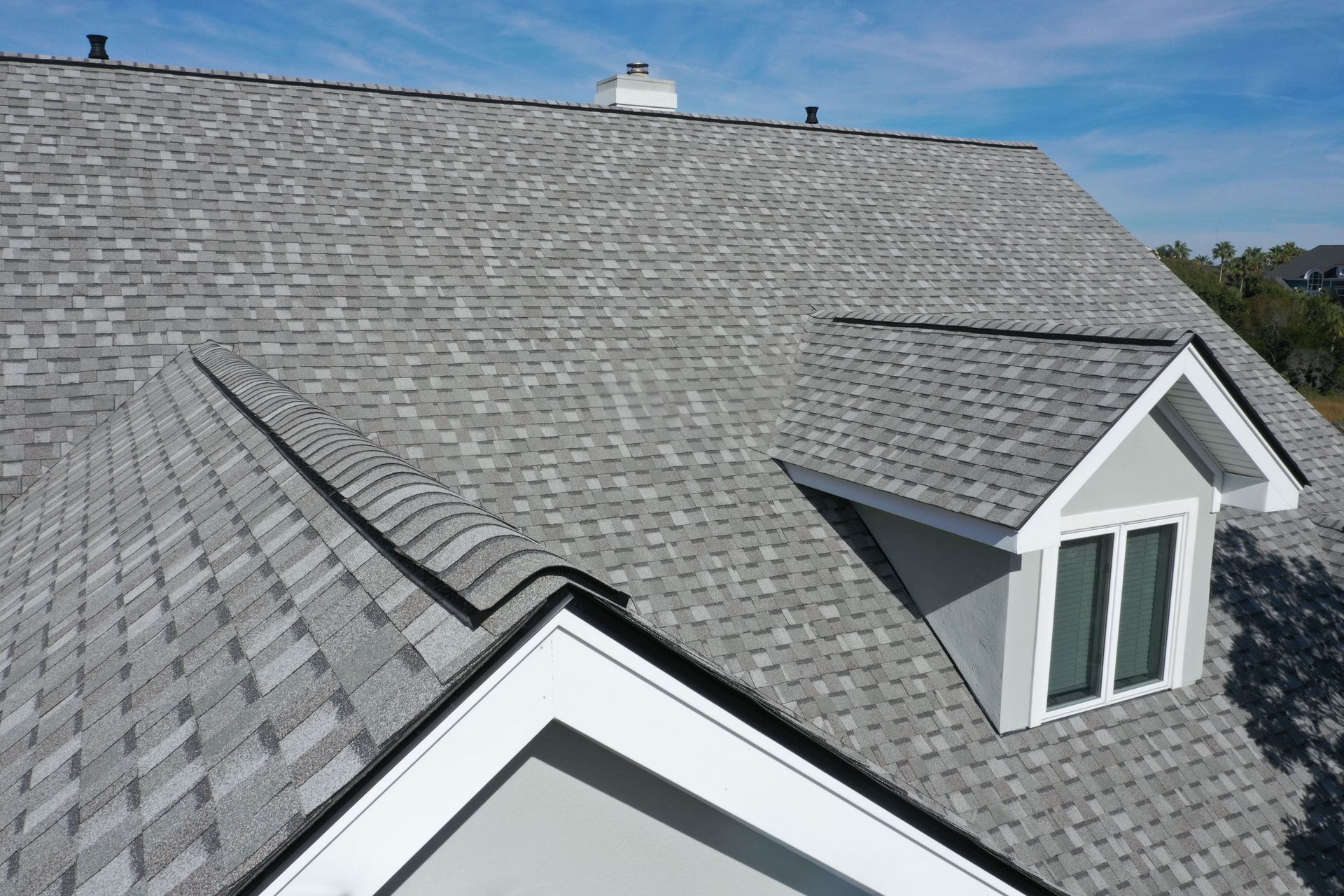
Homeowners often underestimate how standardized materials fit into these systems. For example, common shingles are typically manufactured in a standardized size that allows them to overlap efficiently and maintain water resistance. According to This Old House, the typical shingle size is around 12 by 36 inches and usually includes three to five tabs, which is designed for consistent layering across roof surfaces. Contractors use this specification knowledge to ensure proper alignment and coverage during installation or repair, avoiding gaps or improper overlap that could lead to leaks.
Identifying Structural Issues and Diagnosing
Roof damage is not always visible from the surface, which makes accurate diagnosis a critical part of repair work. Contractors are trained to identify subtle warning signs such as sagging areas, moisture stains, or uneven material wear. These indicators often point to deeper structural concerns that require immediate attention. Without proper diagnosis, repairs may only provide temporary relief.
Structural issues can develop over time due to water infiltration, aging materials, or improper installation. Roofing contractors assess these factors collectively rather than in isolation, which allows for more accurate problem identification. They also use specialized tools to detect hidden damage that cannot be seen during a basic visual inspection. This level of detail helps prevent small issues from developing into major structural failures.
Misdiagnosis is one of the most common causes of repeated roof problems in DIY repair attempts. A surface patch might hide a deeper issue without resolving it, leading to ongoing deterioration. Contractors focus on identifying the source of the problem first, ensuring that repairs are both targeted and effective. This approach reduces long-term repair frequency and improves overall roof performance.
Managing Material Selection and Installing
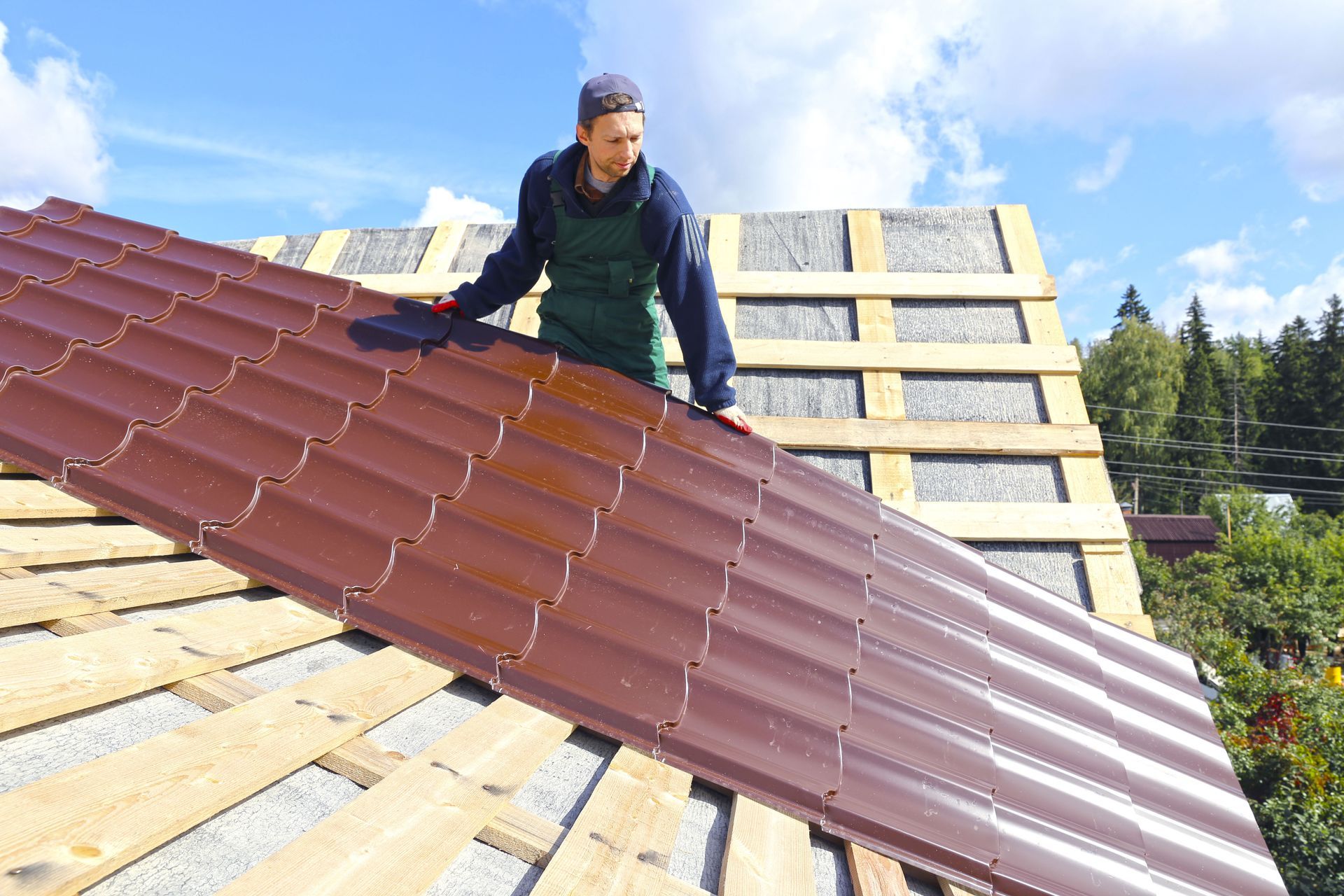
Choosing the right roofing materials is a critical step that directly impacts durability and weather resistance. Roofing contractors evaluate factors such as climate, roof slope, and building structure before recommending materials. Each option behaves differently under stress, and selecting the wrong one can shorten the lifespan of the entire system. Proper material selection ensures compatibility with existing roof components.
Installation quality is equally important because even the best materials can fail if improperly placed. Contractors follow precise installation methods that account for overlap, sealing, and fastener placement. This reduces the risk of water penetration and wind damage during storms. Poor installation is one of the leading causes of premature roof failure in residential properties.
Material handling also requires knowledge of industry standards and specifications. Contractors rely on manufacturer guidelines to ensure each component is installed correctly and performs as intended. This includes aligning materials in a way that supports proper drainage and structural balance. When installation is done correctly, the roof performs more efficiently and requires fewer repairs over time.
Evaluating Safety Risks and Preventing
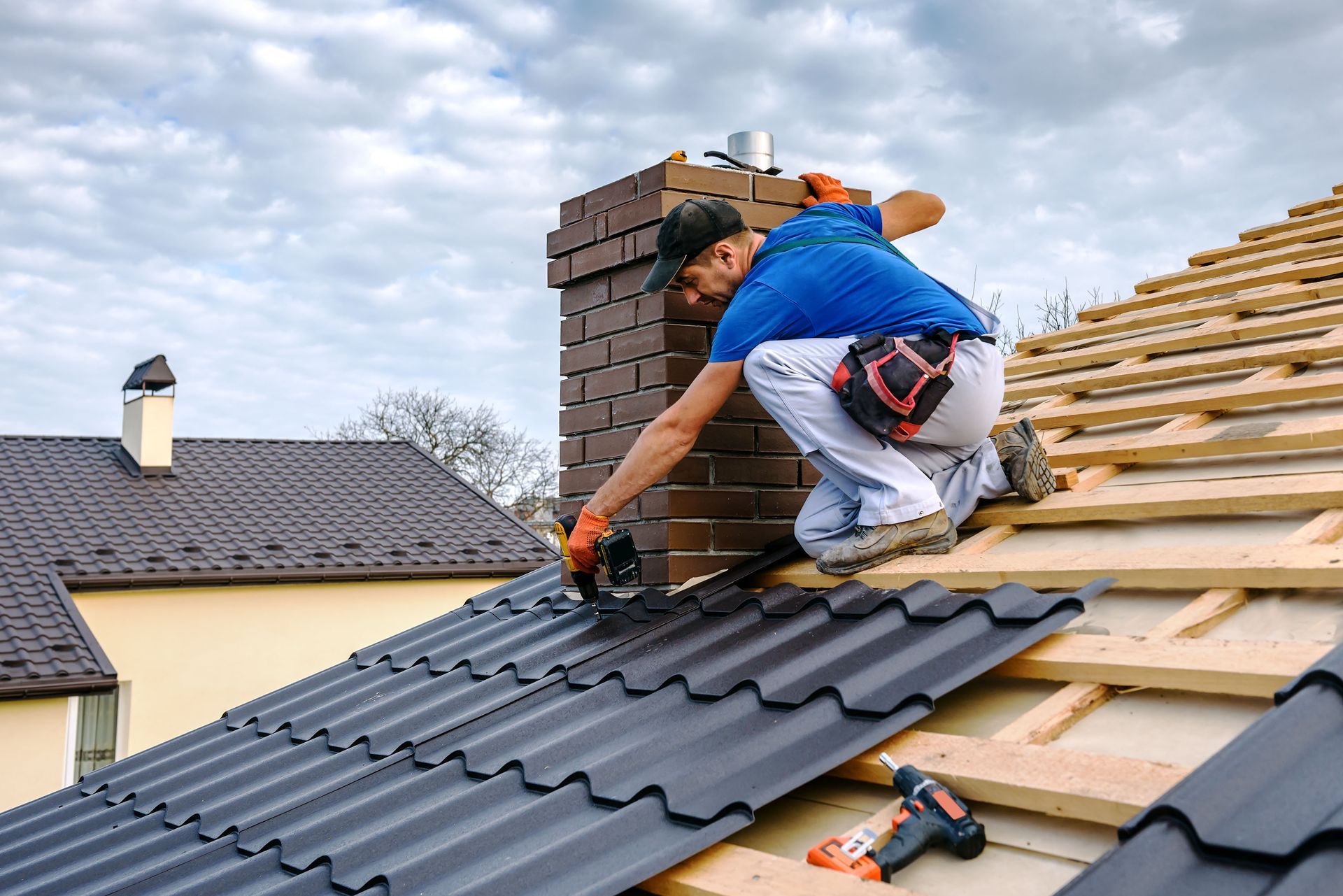
Roof repair carries serious safety risks that are often underestimated by homeowners. Contractors are trained to work at heights using proper fall protection, harness systems, and controlled techniques that help prevent accidents. Weather conditions like rain, wind, and extreme heat can also increase danger and affect repair quality, so professionals adjust timing and methods as needed.
Electrical hazards add another layer of risk, especially near power lines or rooftop systems. Roofing contractors are trained to identify and manage these dangers through careful planning and the correct equipment. This structured approach helps ensure the work is completed safely while reducing the risk of accidents.
Reducing Long-Term Costs and Maintaining
Accurate repairs and proper installation significantly reduce long-term maintenance costs. Contractors focus on resolving the root cause of issues rather than applying temporary fixes. This prevents recurring damage that often leads to higher cumulative repair expenses. Investing in quality repair work upfront often results in lower overall costs.
Preventive maintenance is another key factor in extending roof lifespan. Contractors often provide ongoing inspection services that help identify early signs of wear before they develop into major problems. This allows homeowners to address issues at a lower cost and avoid emergency repairs. Regular maintenance also helps maintain property value over time.
Long-term savings also come from avoiding inefficient repair cycles. When problems are repeatedly patched without proper diagnosis, costs accumulate quickly. Roofing contractors ensure that repairs are done correctly the first time, reducing the need for repeated service calls. This creates a more predictable and manageable maintenance plan.
Protecting Homes From Weather and Damage
Roofs are constantly exposed to environmental stress such as rain, wind, heat, and debris. Contractors understand how these conditions impact different materials and structural designs. Their repair methods are designed to reinforce weak points and improve overall resistance to weather-related damage. This helps maintain long-term structural integrity.
Water intrusion is one of the most common causes of roof deterioration. Roofing contractors focus on sealing vulnerable areas such as flashing joints, valleys, and edges where leaks are most likely to form. Proper waterproofing techniques ensure that moisture does not penetrate underlying structures. This reduces the risk of mold growth and internal damage.
Wind damage can also compromise roof stability, especially when materials are not securely fastened. Contractors reinforce these areas using industry-approved fastening systems and installation techniques. This ensures that roofing components remain secure during severe weather events. A properly reinforced roof provides more reliable protection for the entire home.
Hiring Contractors for Reliable Repair
Choosing professional support for roof repair ensures that work is completed with accuracy, safety, and long-term performance in mind. Contractors bring technical expertise that allows them to handle complex repair scenarios efficiently. Their training and experience reduce the likelihood of errors that can lead to future structural problems. This makes professional repair a practical long-term investment.
In addition to technical skill, contractors provide consistency in quality and accountability in workmanship. They follow established industry standards that ensure repairs meet safety and performance requirements. This level of reliability is difficult to achieve through untrained repair efforts. Homeowners benefit from both improved outcomes and reduced risk.
Working with experienced professionals also simplifies maintenance planning over time. Contractors can identify potential issues early and recommend appropriate solutions before damage escalates. This proactive approach helps preserve the roof’s condition and reduces unexpected repair costs. For dependable service and long-term protection, contact Robinson’s Roofing and Repair - A Christian Owned Company.