The roof protects a home from environmental elements while supporting structural integrity. Many homeowners delay recognizing subtle warning signs that signal an urgent need for roof repair. Identifying these issues early prevents extensive water infiltration, preserves home value, and avoids catastrophic structural failure. Maintaining a proactive approach to roofing maintenance shields property owners from exponential restoration expenses down the road. Understanding when a roofing structure requires immediate attention remains an essential aspect of homeownership. Severe weather events continuously test the resilience of outer home barriers across the country. According to Verisk, 16 states experienced severe hail impacting more than 20% of roofs in 2025, compared to 12 states the year prior, signaling increasing geographic exposure to roof damage risk. Homeowners who monitor critical vulnerabilities can act swiftly before minor issues turn into major structural threats. 1. Identifying Water Stains on Ceilings and Interior Walls Discolored patches on upper ceilings or interior walls signal active moisture penetration through the underlying decking. Water stains typically begin as faint yellow or brown rings that expand following rainstorms. Allowing moisture to settle within insulation, wall cavities, and ceiling drywall creates ideal breeding grounds for toxic mold spores while significantly weakening structural timber. Promptly investigating ceiling discolorations helps trace water travel back to its point of entry on the roof deck. Addressing moisture penetration early stops structural framing members from developing wood rot. When moisture saturates wooden roof trusses, ceiling joists, and drywall, the weight load increases while structural strength rapidly diminishes. Professional inspectors utilize thermal imaging and moisture meters to locate hidden leaks behind finished surfaces. Resolving these leaks protects indoor air quality and preserves the structural framework of the living space. Preventative steps to minimize moisture entry include inspecting roof valley flashings, clearing debris from drainage channels, and ensuring proper attic ventilation to prevent interior condensation buildup. While basic maintenance reduces minor risks, persistent leaks require professional evaluation. Roofing experts possess the specialized equipment and climbing safety gear needed to pinpoint elusive leaks and execute long-lasting remedies before internal building components suffer irreversible decay. 2. Assessing Cracked, Curled, or Missing Roof Shingles Shingles function as the primary protective shield against wind, solar radiation, and heavy precipitation. When shingles curl along the edges, crack across their surfaces, or break off completely, the exposed underlayment degrades rapidly under direct weather exposure. Conducting routine visual ground checks after severe weather helps identify damaged areas that require immediate roof repair to prevent deeper water intrusion. Environmental stressors accelerate asphalt shingle deterioration over time. Thermal expansion, high winds, hail impacts, and prolonged ultraviolet exposure strip shingles of their natural flexibility, leaving them brittle and susceptible to fracture. Neglecting damaged shingles exposes the underlying decking material to direct rainfall, increasing energy costs as wet insulation loses its ability to regulate household interior temperatures effectively. Choosing proper materials during partial or total replacement ensures long-term endurance against extreme climatic conditions. While homeowners may handle minor spot repairs on low-sloped, low-risk areas, comprehensive replacement demands professional expertise. Skilled roofing contractors evaluate structural underlayments, select matching heavy-duty shingles, and apply appropriate fast-fastener patterns to maintain structural integrity and warranty coverage across the entire surface. 3. Addressing a Sagging Roof Deck and Structural Depressions A sagging roof line represents a serious structural failure requiring immediate engineering intervention. Dips, depressions, or curved ridge lines indicate that the structural decking or supporting trusses have compromised load-bearing capacities. Physical sagging often stems from chronic water saturation, excessive snow loads, or improper original installation practices that fail to meet building code weight requirements. Pitch and slope dictate how effectively a structure sheds water, ice, and fallen debris. Flatter roof slopes retain standing water longer, increasing the risk of rot within the wooden decking boards below. When water infiltrates deck seams, wood fibers swell and soften, leading to visible exterior sagging. Inspecting attic framing for bowed rafters, split collar ties, or sagging plywood sheets helps catch framing failures in early stages. Temporary bracing in attic spaces can stabilize compromised decking areas short-term, but permanent solutions require structural repair. Structural engineers and qualified roofing experts evaluate framing components, repair damaged trusses, and reinforce load-bearing points. Resolving structural sagging restores code compliance, ensures occupant safety, and protects the overall investment in the residential property. 4. Repairing Corroded or Dislodged Roof Flashing Flashing acts as a vital waterproof seal installed around high-risk junctions, such as chimneys, skylights, dormers, and vent pipes. Made from aluminum, galvanized steel, or copper, flashing channels water away from seams where different roof planes meet. Dislodged, rusted, or poorly sealed flashing permits direct water entry into the building envelope during heavy downpours. Galvanized steel and aluminum offer cost-effective protection but remain vulnerable to corrosion and sealant breakdown over time. Thermal expansion causes flashing joints to pull away from masonry surfaces, creating hidden gaps. Inspecting flashing seals around vertical penetrations prevents unnoticed water streams from rotting the surrounding sheath boards and interior attic space framing. Executing flashing restoration involves removing damaged material, clearing aged sealant, fitting new custom-bent metal sections, and applying high-grade waterproof compounds. Attempting quick fixes with caulk rarely provides long-term protection against harsh weather. Investing in professional flashing restoration ensures sealed joints and prevents costly secondary repairs to interior drywall, paint, and framing. 5. Checking Gutters for Excessive Shingle Granule Loss Asphalt shingles feature protective mineral granules designed to shield underlying asphalt layers from harmful ultraviolet rays and impact damage. Finding small amounts of loose granules in downspouts is normal on new roofs, but accumulating thick layers of dark, sand-like debris inside gutters signals severe shingle erosion and advanced aging across the protective membrane. Granule loss leaves the asphalt substrate bare, allowing sunlight to dry out and crack the remaining shingle layers. Once shingles lose their protective coatings, they deteriorate rapidly under normal weather conditions, increasing vulnerability to leaks. Regularly cleaning downspouts provides an opportunity to gauge the rate of granule shedding and assess remaining shingle lifespan. Preventative roof maintenance, such as trimming overhanging tree branches and keeping gutter systems clean, reduces abrasive wear on shingle surfaces. When inspections reveal broad dark patches or heavy granule piles in gutters, scheduling professional roof repair or shingle replacement protects the deck structure from sudden environmental failure. Timely replacement ensures dependable home protection against future severe weather events. 6. Inspecting the Attic for Daylight and Light Penetration Inspecting the attic during daylight hours provides direct insight into the physical condition of the roof deck. Shafts of light filtering through roof boards indicate open gaps where shingles, underlayment, or sheath boards have separated. Any hole large enough to admit sunlight will easily allow driving rain, meltwater, pest infestations, and unconditioned outside air into the home. Common causes of light penetration include dislodged shingles, rusted flashing valleys, structural movement, and storm damage. Gaps in the deck allow warm, moist interior air to escape during winter while drawing humid air inside during summer, spiking household heating and cooling bills. Unaddressed openings expose internal insulation and framing components to accelerated decay. While temporary tarps or localized sealant patches can close small gaps temporarily, complete long-term repairs require replacing damaged decking boards, applying modern water-resistant underlayment, and securing matching top-layer shingles. Contracting certified professionals ensures repairs meet local building codes, structural standards, and severe weather resistance benchmarks. Recognizing early signs of roof deterioration protects residential property values and prevents costly interior damage. Scheduling regular professional inspections ensures minor defects are resolved before developing into structural failures. Investing in timely repairs guarantees reliable protection, long-term durability, and structural safety for the entire home. For more information about the services that we offer, reach out to our incredible team at Robinson's Roofing and Repair - A Christian Owned Company today!
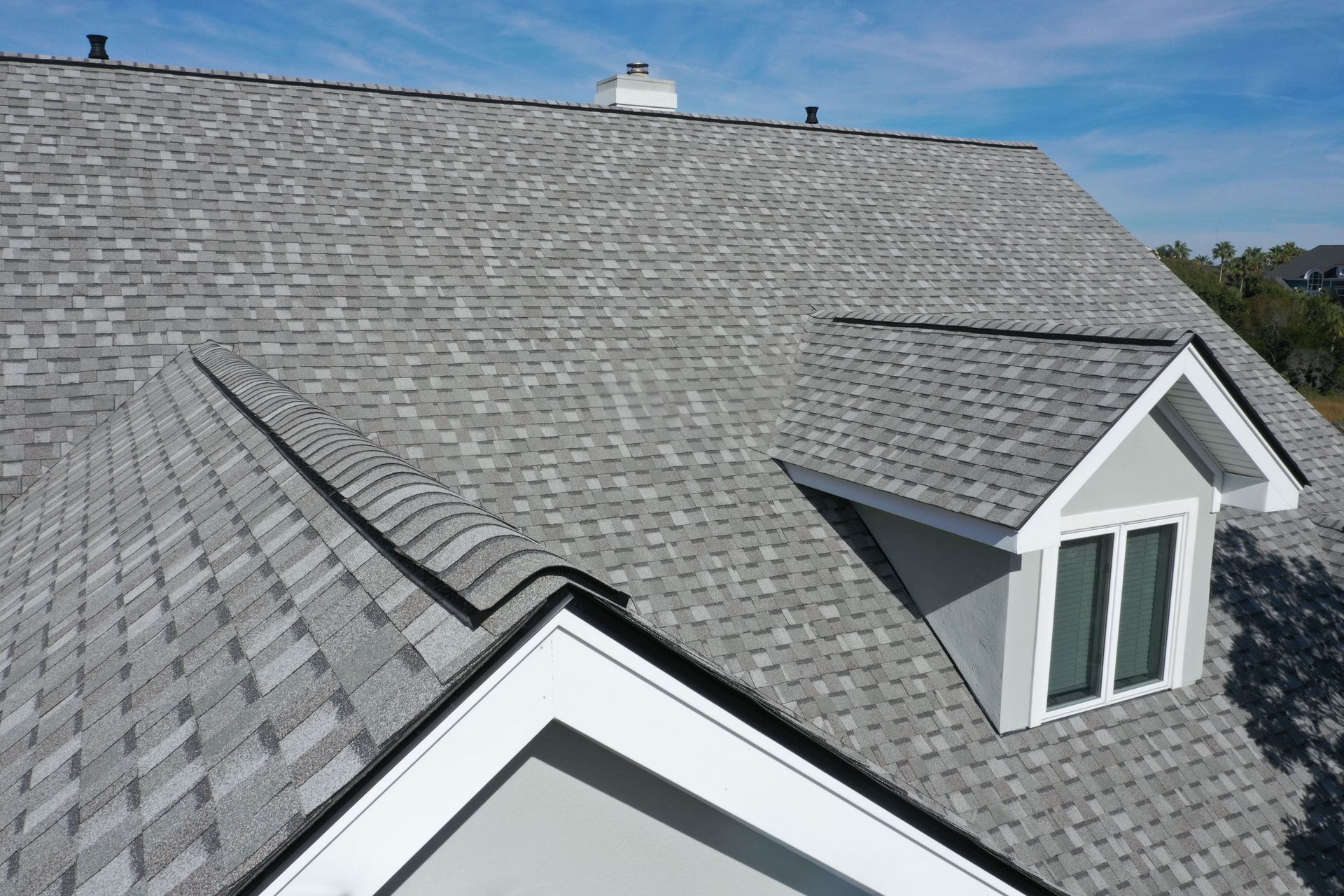
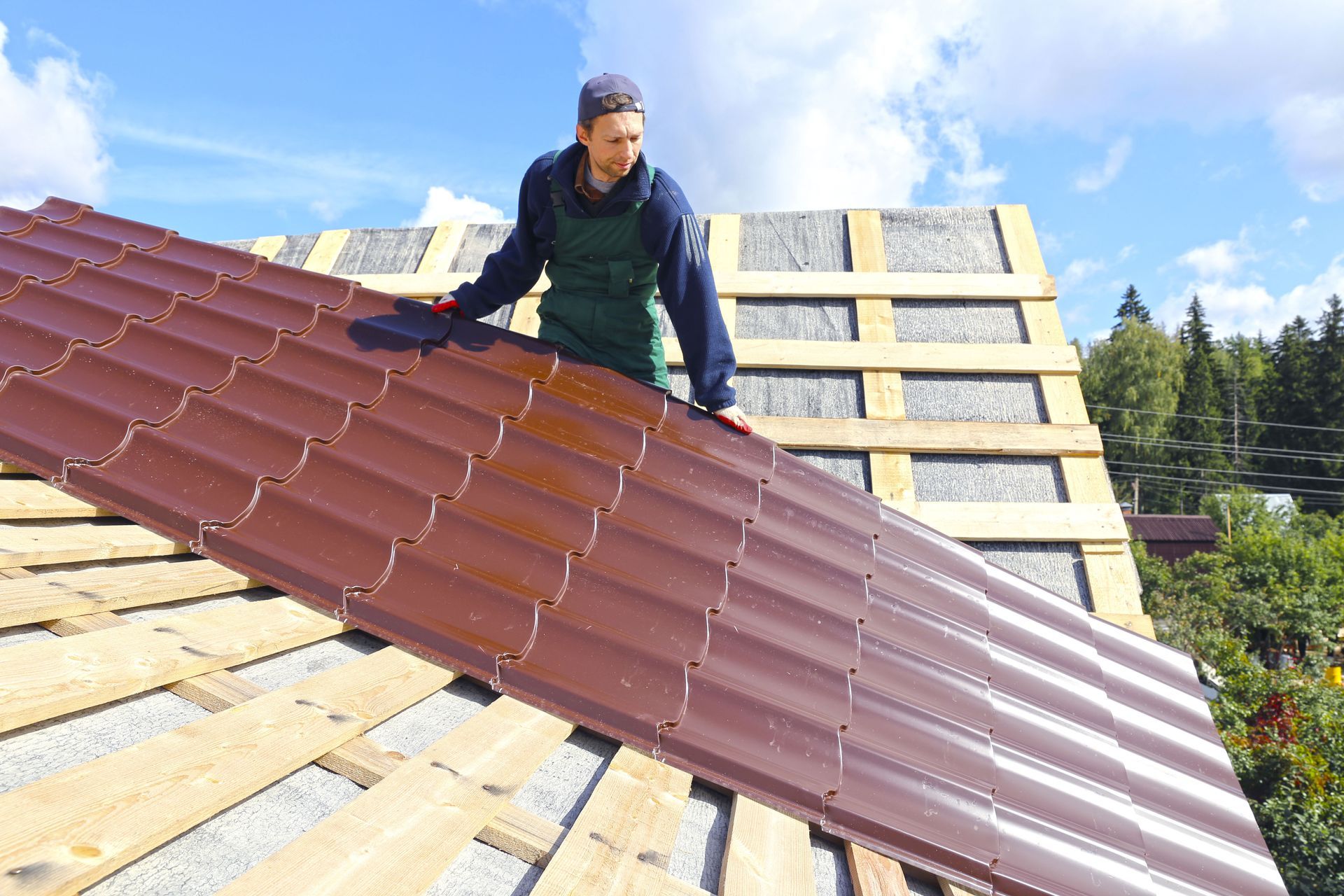
A professional roofing contractor like Robinson's Roofing & Repair - A Christian Owned Company provides efficiency, safety, and quality to your home.
Partner with a top roofing contractor to elevate your home. Here is how to choose the right shingle color to maximize your house's curb appeal.